
Pruning and trimming trees involve selectively removing parts of a tree to improve its health, structure, and appearance. It allows your trees to reach their full potential and live a long life. Tree pruning can include removing dead, damaged, or diseased branches, shaping the tree to encourage new growth. If done incorrectly, it can damage a tree’s growth. Understanding the right techniques and proper pruning timings is essential for successful tree care. Metroplex Tree provides professional tree trimming and landscaping services to enhance the safety and health of your trees, elevating your curb appeal and outdoor experience.
Mastering the Art of Tree Care: The Ultimate Handbook for Tree Pruning For Thriving Landscaping
Do you want to improve your yard experience? Not sure how to handle your favourite outgrown tree? Tree pruning is more than just what people realize. If done correctly, it can improve fruit and flower production and prevent damage to the property. Using the right techniques, you can control the size and shape of trees and detect any early signs of disease and pest infestation.
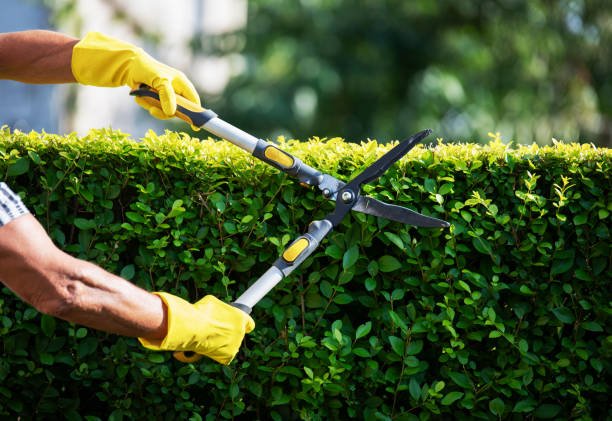
Here is your guide to understanding the key principles of pruning and trimming.
The Fundamentals of Pruning and Trimming
Removing dead branches
Dying and diseased branches can be removed at any time of the year. Early removal is recommended to prevent the spread of disease and conserve the tree’s energy. Eliminating potential hazards like falling branches can make your property safer and more appealing to potential buyers.
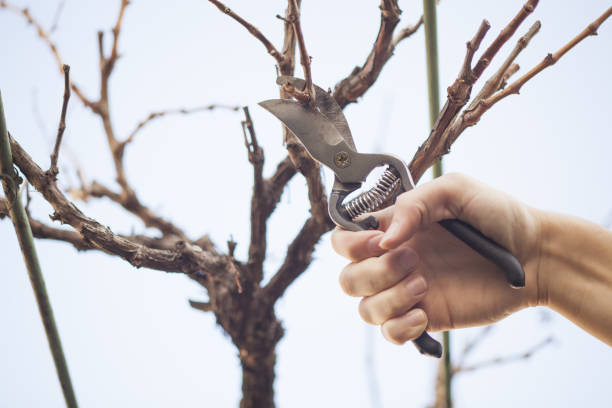
Prune to shape the tree
It revolves around removing the branches that cross or rub against each other, and those branches that disrupt the tree’s natural shape. Pruning is also used to create specific forms and shapes, like hedges and topiaries, and to train the plant to grow in a specific direction. It can improve the overall appearance and structural integrity of your tree.
Pruning to encourage new growth
Carefully trimming trees and pruning can stimulate new growth by removing old or crowded branches, and by making cuts at specific points, like just above an outward-facing bud.

| Did you know?Modern tree pruning is environmentally responsible and sustainable. |
Cut at the right location
Use of the right tools, like pruning shears, loppers, and saws, is essential for making clean cuts that promote healing. Always prune just outside the branch collar, the swollen area where the branch joins the trunk or the larger branch.
Puning to address poor light and airflow
Pruning a mature tree thins out the branches and makes room for sunlight and airflow to penetrate the foliage. This allows for a closer inspection of trees, revealing any early signs of disease and pest infestations.
Avoid topping
Topping or removing the top of the tree is generally harmful and can lead to weak growth and decay.
Reduced fruit or flower production
Flowering shrubs or fruit trees may have poor yields or lower bloom quality if they are not pruned regularly and properly. Pruning allows the nutrients to reach the growing branches, which helps in a better yield.
| Interesting factThe origins of pruning date back to ancient civilizations when early horticulturalists began to manipulate tree growth for various purposes. |
Key Steps for Pruning a Branch
Make an undercut
About a foot away from the trunk, cut about ¼ inch into the underside of the branch, slightly above the healthy bud. Cut at a 45-degree angle and stop when you reach the midway point.
Make a top cut
Cut through the top of the branch, about an inch further out from the trunk than the undercut. This will prevent the branch from tearing out the bark as it falls.
Make the final cut
Remove the remaining stub by cutting just past the branch collar.
The Best Time to Prune
The ideal pruning time depends on your tree species. Different trees have different pruning needs and sensitivities to pruning at certain times of the year. For example, oak trees are best pruned in winter or early spring to avoid oak wilt. For most trees, the best time to prune is at the end of the dormant season or spring, which falls between mid-February and early May. During this time, trees are less susceptible to diseases. Prune spring-flowering trees after they’ve finished blooming. Fruit trees are pruned according to their fruiting patterns.
Conclusion
Trimming trees and pruning can stimulate the tree to focus its energy on developing new, strong growth. Thinning out the canopy by pruning improves airflow and sunlight penetration, and prevents the spread of decay. Using the right pruning techniques at the right time, pruning can mitigate potential hazards from falling branches and enhance the aesthetic appeal of the tree and the surrounding landscape.
FAQs
What are the three C’s of pruning?
Clean, Cut, and Control are the three C’s of pruning.
What part of a tree should not be cut?
Never cut off leaf and flower buds as these buds lie dormant during winter to bloom in the following spring.
When to avoid pruning?
Avoid pruning during bud swelling, leaf emergence, and obvious flowering, also into late summer or during leaf fall.
6 Responses